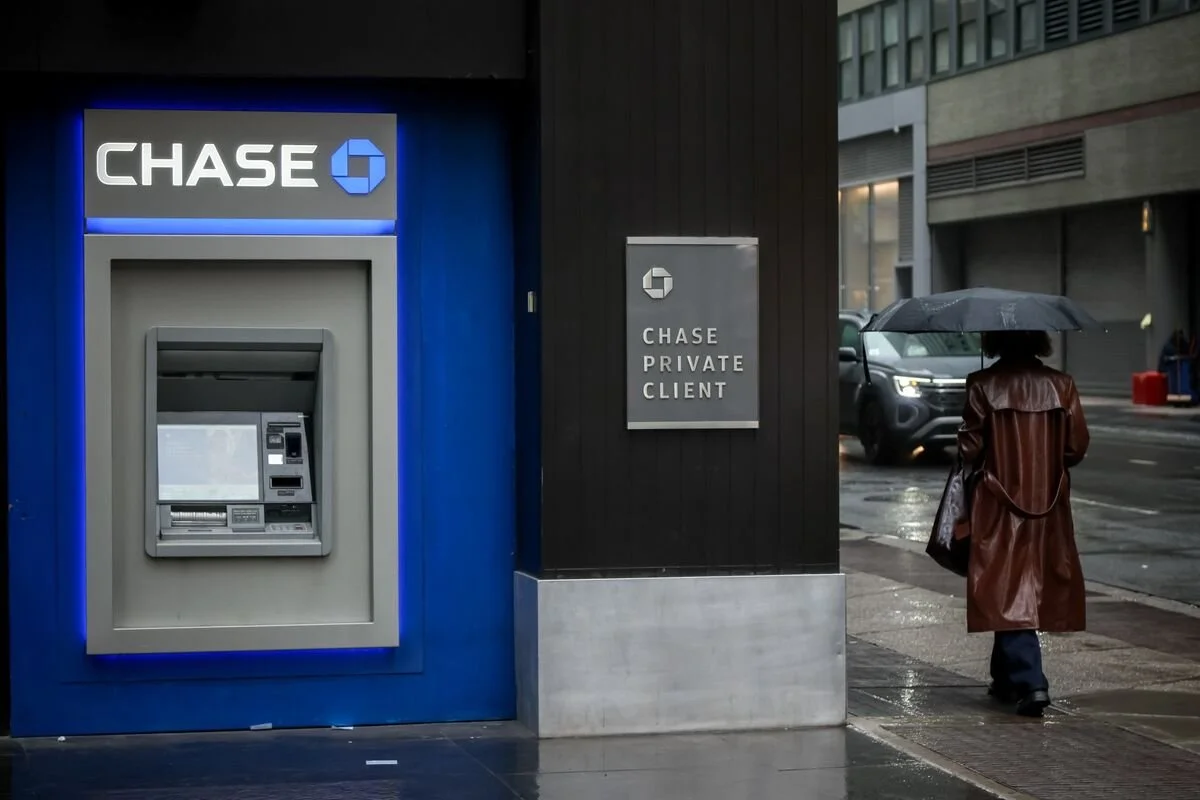
Banks Are Financing AI Expansion While Blocking AI Agents From Customer Accounts
Major U.S. banks are restricting AI agents from accessing customer accounts while financing billions in new AI infrastructure. Anthropic's safety disclosures, Meta's capital expansion, and Microsoft's workforce restructuring reveal how quickly financial commitments are growing, even as institutions struggle to establish reliable safeguards, assign responsibility for autonomous actions, and manage the consequences for workers and consumers.

A Cyberattack Has Left Bankruptcy Courts Reassigning Their Own Legal Notices
A cybersecurity incident has disrupted the system responsible for delivering legally required notices across U.S. bankruptcy courts, forcing courts to shift responsibilities to attorneys and debtors. Separate outages affecting banking, court hearings, and grocery services reveal how essential institutions depend on shared digital infrastructure—and how the burden of keeping services functioning can fall on the people who rely on them.

Trump Waives Russia Sanctions Weeks After Signing Them Into Law
Trump waived major Russia sanctions weeks after signing them into law, amid an energy agreement with Putin and congressional investigations into a Russian oligarch's financial relationship with his son. The developments raise separate but consequential questions about enforcement, foreign influence, and institutional accountability.

Ukraine's Strikes on Russian Data Centers Raise Questions About U.S. Pressure and Election Interference
Ukrainian strikes on Russian data centers disrupted digital infrastructure as Russia-aligned influence operations targeted the U.S. midterms. Days later, Ukraine reported restrictions on military satellite communications amid growing pressure from Washington. The sequence raises questions about election interference, technological dependence, and who controls the systems Ukraine relies on for its defense.

Why Is Europe Preparing Its Citizens for Disruption?
Across Europe, governments are expanding household preparedness, hospital contingency planning, infrastructure protection and civil-defense exercises. The public record cannot show what classified intelligence may sit behind those decisions, but the preparations themselves are becoming increasingly visible.

Saudi Arabia Is Moving More Oil Back Through Hormuz
Saudi Arabia has restored part of its lost oil export capacity by sending more crude back through the Strait of Hormuz while the East–West Pipeline remains damaged. The recovery has eased immediate supply pressure, but it has also increased dependence on a chokepoint that is still operating under significant constraint.

Energy Disruption Is Spreading Into Freight and Credit
The disruption that began in energy infrastructure is moving downstream. Shipping and diesel costs are rising as credit becomes more expensive, increasing the cost of keeping goods moving even while the systems absorbing the pressure continue to function.

The Backup Routes Are Failing
Disruption at the Strait of Hormuz is only part of the story. Several of the mechanisms built to compensate for that disruption are now under stress themselves, and the consequences are already moving back through the United States.