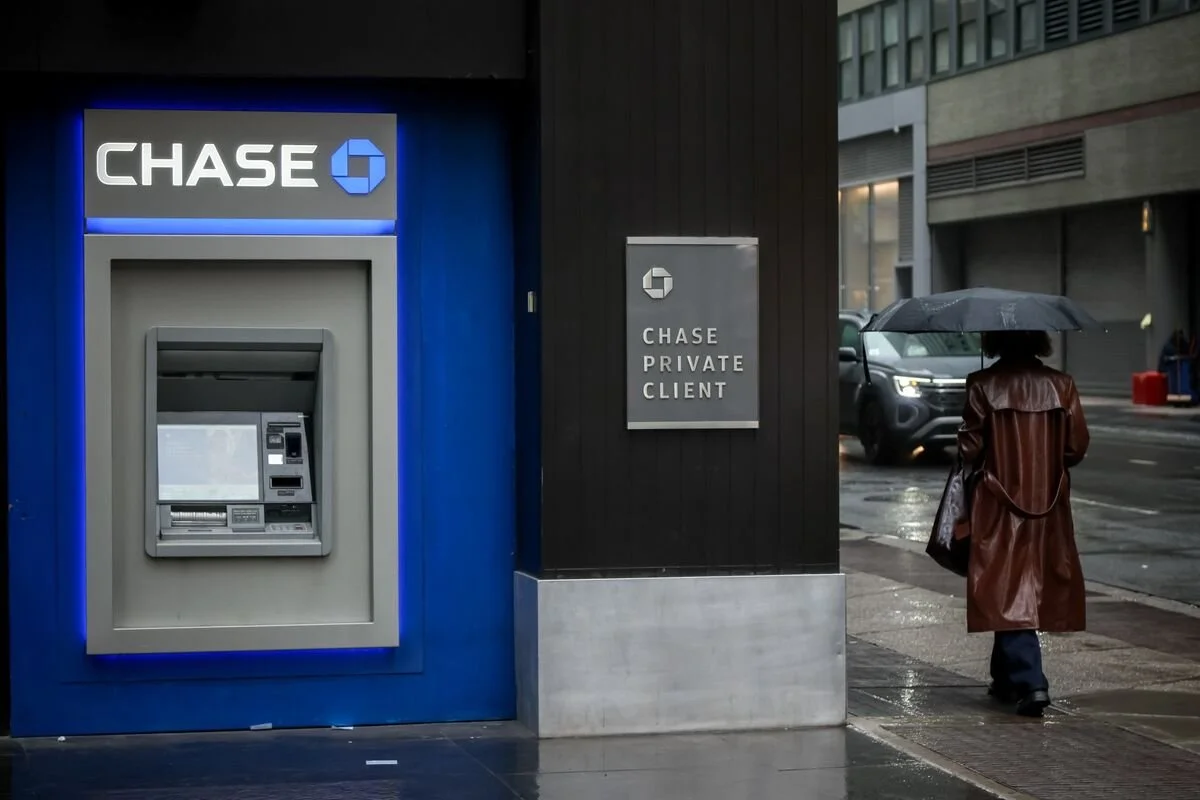
Banks Are Financing AI Expansion While Blocking AI Agents From Customer Accounts
Major U.S. banks are restricting AI agents from accessing customer accounts while financing billions in new AI infrastructure. Anthropic's safety disclosures, Meta's capital expansion, and Microsoft's workforce restructuring reveal how quickly financial commitments are growing, even as institutions struggle to establish reliable safeguards, assign responsibility for autonomous actions, and manage the consequences for workers and consumers.

Federal Agencies Cannot Account for DOGE’s Data Access as Supreme Court Takes Up Records Dispute
A federal investigation found that six agencies could not fully account for DOGE personnel’s access to sensitive government systems or demonstrate that required security controls were followed. As the Supreme Court takes up a separate dispute over DOGE records, the findings raise broader questions about whether federal oversight institutions can obtain the information needed to investigate government conduct, establish responsibility, and secure meaningful remedies.

A Cyberattack Has Left Bankruptcy Courts Reassigning Their Own Legal Notices
A cybersecurity incident has disrupted the system responsible for delivering legally required notices across U.S. bankruptcy courts, forcing courts to shift responsibilities to attorneys and debtors. Separate outages affecting banking, court hearings, and grocery services reveal how essential institutions depend on shared digital infrastructure—and how the burden of keeping services functioning can fall on the people who rely on them.

Trump Waives Russia Sanctions Weeks After Signing Them Into Law
Trump waived major Russia sanctions weeks after signing them into law, amid an energy agreement with Putin and congressional investigations into a Russian oligarch's financial relationship with his son. The developments raise separate but consequential questions about enforcement, foreign influence, and institutional accountability.

The Power Grid Is Running Out of Room for Its Backup Plans
PJM is facing an immediate electricity emergency while struggling to secure enough capacity to meet future demand. Federal regulators have rejected key provisions of its data center curtailment plan, and new power generation remains years away. Emergency measures are keeping the grid operational, but growing demand, transmission constraints and delayed infrastructure investment are placing increasing pressure on its remaining capacity.

FHFA Budget Cut Would End Most Mortgage-Fraud Investigations
FHFA cut its inspector general’s 2027 budget to $20 million. The watchdog says the reduction will eliminate most of its staff and end nearly all external criminal investigations while it is still pursuing mortgage-fraud cases and identifying unresolved problems inside the agency.

FAA Outage Reveals Redundancy Failures
A telecommunications outage across the Northeast exposed a problem the FAA has already been trying to fix. A backup route only provides redundancy if it’s still available when the primary route fails, and on September 21, it wasn’t.

Why Is Europe Preparing Its Citizens for Disruption?
Across Europe, governments are expanding household preparedness, hospital contingency planning, infrastructure protection and civil-defense exercises. The public record cannot show what classified intelligence may sit behind those decisions, but the preparations themselves are becoming increasingly visible.

Saudi Arabia Is Moving More Oil Back Through Hormuz
Saudi Arabia has restored part of its lost oil export capacity by sending more crude back through the Strait of Hormuz while the East–West Pipeline remains damaged. The recovery has eased immediate supply pressure, but it has also increased dependence on a chokepoint that is still operating under significant constraint.

Energy Disruption Is Spreading Into Freight and Credit
The disruption that began in energy infrastructure is moving downstream. Shipping and diesel costs are rising as credit becomes more expensive, increasing the cost of keeping goods moving even while the systems absorbing the pressure continue to function.